All Posts By

Rasheeda Campbell

Meet RenRiot: A band reshaping DC’s rock landscape

By Rasheeda Campbell

This article was first published January 15, 2026 in The DC Line, here

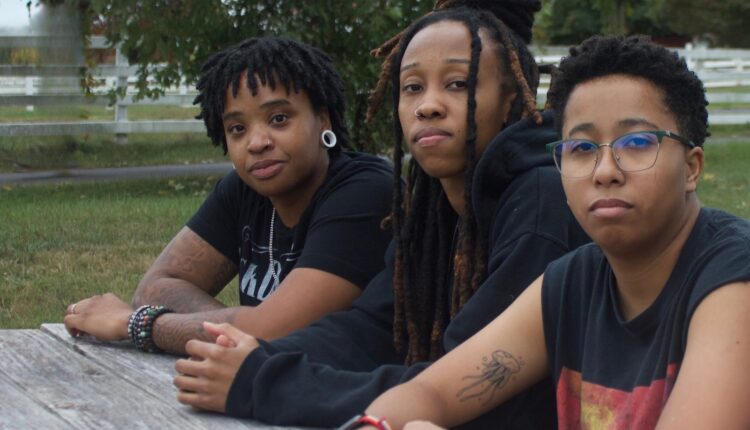
On a recent Friday night, passionate rebellious screams, high-energy drumming and raw guitar riffs echoed outside of O’Shaughnessy’s Pub in Alexandria. It was the bar’s Band Nite, themed “Punk in the Alley,” and inside the small, intimate space — where the stage practically merged with the floor — local DC rock band RenRiot delivered a high-octane performance. The Black queer trio consists of vocalist and guitarist Ren (she/her, 26), drummer Solana (they/them, 26), and bassist Dre (she/her, 32).

To get a good sense of the band’s energy: The crowd was already hyped just from their warmup. Once the actual set began, RenRiot moved seamlessly between dreamy, ethereal songs and angsty, hardcore tracks. They commanded the stage with ease, interacting with the crowd between songs, stepping into the audience mid-performance, openly voicing their thoughts on fascism and the Trump administration, and sparking a mosh pit. All of those signs point to a band that knows how to put on one hell of a show. 

Expect similar vibes on Jan. 16 when they’ll perform on a triple bill at Pie Shop on H Street NE. The same infectious spirit is also going into their ongoing work on a debut album after the release of their demo EP called Momentum last August. 

Whether on stage or in the studio, RenRiot embodies the truth that punk — and rock as a whole — is far from dead in DC, especially among Black bands. That said, the scene remains limited, with far fewer intersectional rock groups than one might hope.

Thankfully, RenRiot is contributing to a Black queer rock and alternative band revival by taking up space — and creating it — for musicians like them to shine in the area. To learn more about the band’s origins, its members and their take on DC’s rock landscape, we reached out for a Q&A via email. The following has been edited for clarity and readability.

Could you briefly explain the origin story of RenRiot and how the band formed?

RenRiot was originally my [Ren’s] solo project. In December 2024, I released To Feel Like I Exist under my name but it felt entirely too personal. I felt like I had something to say, but solo didn’t feel like the way. In March 2025, I had a birthday showcase where I performed a few of my originals that I had written over the past few months, accompanied by my friends Myia [who performs as Myia Aura] and Dez [who performs as Willowtree]. It was at this event that I was encouraged to continue sharing these songs, which drove me to reach out to friends that I used to jam with in 2023 and ultimately brought me, Solana, and Dre together to form the band RenRiot.

How long have the members known each other?

About two years.

What is the meaning behind the name “RenRiot,” and how did it come about?

RenRiot was originally Ren’s solo stage name. Ren’s last name is Wright so RenRiot was a play on her own name. Since then it’s just stuck.

What is the band’s overall mission or goal?

RenRiot’s overall goal is to be a reminder of the beauty of intersectionality. It is so rare to see folks that look like us in the rock scene. But the fact is that if three of us can come together to form this band in a place as small as DC, there are so many people just like us in the world who can do the same thing. Blackness, queerness, alternative culture, and womanhood are often segregated experiences and it’s important to us to remind people that all of these identities can live within individuals and so much beauty can come from it.

What drew you to creating music within the punk/grunge/alternative rock genres?

This genre is something that we are all passionate about and grew up on. This music is a big part of all of our lives, and it feels very natural for us to create it.

What does a typical rehearsal look like?

Our rehearsals are 50% focused, 50% fun. There is never a rehearsal where somebody isn’t bursting into laughter about something somebody else said or did. However, we spend a lot of time rehearsing our sets, refining our music, or developing new songs.

What’s your favorite song to perform live as a group?

Our newest song, April Mourning, is our favorite to perform live! It truly allows all of us the opportunity to let loose.

Do you have a favorite venue in DC that you’ve performed at so far?

Pie Shop is an elite venue! Incredible green room, spectacular pie, and great community. We’re excited to head back there in January with Mac N’ Toss and Petrichor.

What inspired RenRiot’s demo EP Momentum?

Momentum is an amalgamation of my [Ren’s] experiences in my mid-20s. It tells the story of my inner thoughts and outer world. Music has always been my audio journal, and the demo EP is just that.

What projects are you currently working on?

Right now we are really brainstorming how to arrange our debut album. The initial idea of Momentum was meant to be a consecutive story of Ren’s experiences, but so much musical evolution and life experiences have happened since Momentum was originally created that a lot of those songs no longer make sense for RenRiot the band. We are so lucky to have people who are willing to listen to our stories and engage with our music and we want to honor that and tell these stories the right way.

How would you describe the current rock scene in DC? Is there anything you feel is missing compared to other regions?

We are all from the mid-Atlantic region and are still new to the scene, so we recognize that we may have blind spots. But from our view, DC lacks a true DIY feel for the rock scene at times. The house venues are incredible, but in general the community spaces are not super accessible. For example, The Garage is truly an iconic spot as it’s a reminder of how things used to be but it is notably not close to DC nor accessible without a car. Additionally, it feels like there isn’t enough room for community-curated opportunities, which is more of a reflection of the city than the scene maybe. Growing up I remember hearing at school that everyone was going to meet in the woods or at a skatepark to hear some local bands. Now everything feels more curated and venue-specific with noise ordinances, social media, service fees on tickets, and old music spots shutting down.

What has your experience been like finding opportunities to perform in the DC area? Do you find it challenging or relatively easy, and why?

Finding opportunities to perform in the DC area has been relatively easy for us as we are often invited to support or play shows so the booking is not often on us. However, it is noteworthy that we intentionally engage with the local music scene so it feels a bit easier to end up on bills and book shows. We also come into bookings with a plan and the humility to be realistic about what we can bring to the table — which is good music and vibes.

Do you feel the DC rock scene is inclusive, or do you think there’s still progress to be

made?

The DC rock scene is not as inclusive as it wants to believe it is and that’s OK because we’re here to support. There feels like a significant lack of intersectionality between race, gender, sexual orientation, age, etc. DC in general feels segregated in a lot of ways, though, so it is not surprising that this would bleed into the DC rock scene. Even being a queer band, we have felt some distance from other queer folks because we’re Black. To be clear, we’re not describing any sort of intentional isolation because some of the onus also falls on us; it’s more so the phenomenon of walking into a space and no one (besides other Black queer folks) makes an effort to speak with us — in the same way that a server subconsciously hands the man at the table the check.

Do you think there is a substantial amount of diversity among local DC bands?

We are often the only Black people on the bill.

Who or what are some of the band’s biggest musical influences?

Paramore, Flyleaf, Balance and Composure, Rage Against the Machine, and Chevelle.

What do you hope to see evolve within the DC rock scene in the future?

We hope to see more intersectionality. We believe this can happen through intentional action, which involves us becoming more visible and continuing to show up and uplift the scene. Also, DC has a habit of putting out its own genre of music across the decades, and it would be really exciting to see a new DC sound break out!

Are there any upcoming performances readers should mark their calendars for next year?

We’re super excited for our upcoming show at Quarry House Tavern on Feb. 7! This will be a release show, and we can’t wait to share the space with our community. Check our Instagram @renriot.wav, TikTok @renriotband, or BandsInTown @RenRiot for details.
Keegan Theater’s Irish Carol is Good Craic

by Rasheeda Campbell

This article was first published December 26, 2025 in the DC Line, here

With the holiday season in full swing, there’s truly no better way to hold onto the Christmas spirit while also supporting local theater in DC than by attending a performance of An Irish Carol at The Keegan Theatre. This beloved production has become a seasonal tradition for the company, marking its 15th annual staging this year. That alone speaks volumes about its lasting impact and popularity among DC theatergoers. Audiences return year after year not just for the familiar story, but also for the warmth, humor and heart that this unique adaptation consistently delivers.

An Irish Carol is a creative and refreshing twist on Charles Dickens’ classic 1843 story. Written by Matthew J. Keenan and first produced in 2011, the play reimagines the well-known story in a contemporary Irish setting while maintaining the emotional core that has made A Christmas Carol timeless. The story takes place on Christmas Eve in a Dublin pub. It’s owned by David, a wealthy, stubborn and emotionally guarded man who serves as the play’s Ebenezer Scrooge. Rather than relying on the familiar structure of ghostly visits, Keenan’s version eliminates the visitation of literal ghosts and instead grounds the story in realism, memory and human connection — making it feel especially relevant to modern audiences.

David is forced to confront his past, present and future through conversations, confrontations and moments of reflection sparked by the people around him — his employees, friends and family. Over the course of the night, the pub becomes a space not just for drinking and banter, but also for reckoning, vulnerability and emotional honesty. This choice makes the story feel more intimate and relatable, as David’s journey mirrors the internal battles many people face: regret over lost love, fear of loneliness, and the struggle between self-protection and openness.

At its core, An Irish Carol explores many of the same themes as Dickens’ original story — love, greed, redemption and the cost of emotional isolation — but it also expands on them in meaningful ways. The play thoughtfully incorporates discussions of immigration, disability awareness and economic hardship, grounding the story in real-world issues that resonate deeply today. These elements never feel forced or preachy. Instead, they are woven naturally into the characters’ lives and experiences. It adds emotional weight to the production and invites audience members to see themselves reflected on stage, making the story feel not just seasonal but necessary.

While the script itself is strong, it is the cast that truly brings this production to life. Directed by Mark A. Rhea, the entire ensemble delivers a polished and engaging performance, offering moments of genuine laughter alongside scenes of emotional intensity. Their use of Irish and Polish accents, combined with culturally specific mannerisms, is impressive and immersive, making it easy to forget you’re sitting in a small theater in DC rather than a pub in Dublin. The chemistry among the cast members is evident, and their interactions feel natural, which enhances the authenticity of the story.

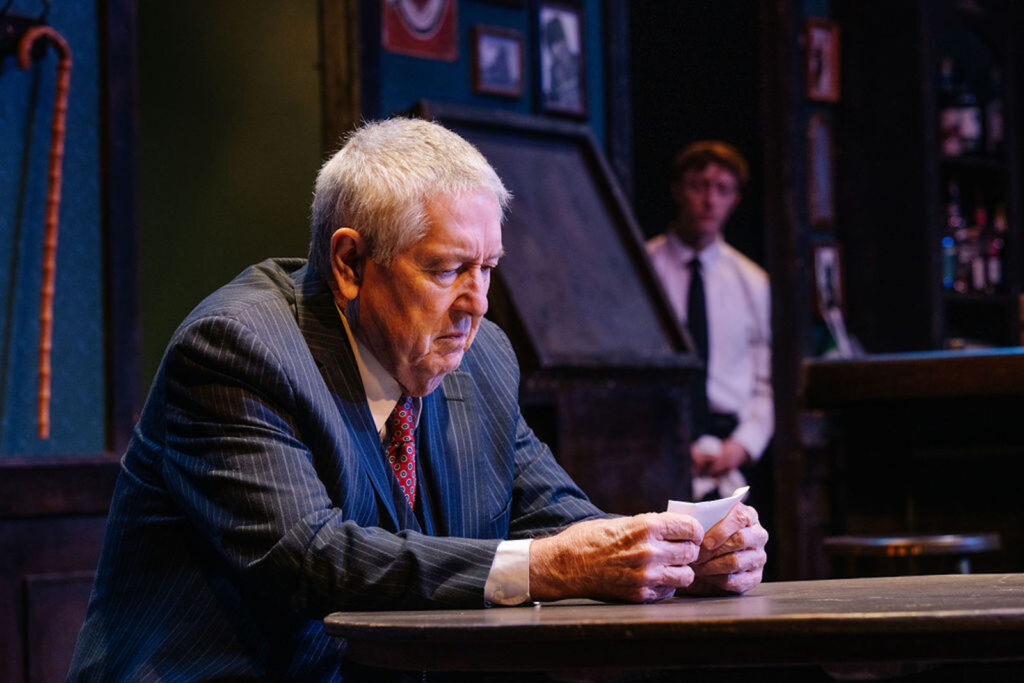
Several performances stand out in particular. From the moment the play begins, David, portrayed by Kevin Adams, commands the stage. He storms in with an undeniable presence, immediately establishing his character as gruff, intimidating and emotionally closed off. Aspects of Adams’ physical acting such as his posture, sharp movements and expressive reactions allow the audience to understand David before he even speaks. As the story unfolds, Adams skillfully reveals the vulnerability beneath David’s harsh exterior, especially as memories of a past love resurface. Watching his character slowly unravel and reconnect with his humanity is one of the most satisfying aspects of the production.

Timothy H. Lynch delivers a standout performance as Frank, a pub regular who serves as both comic relief and emotional grounding force. Frank is loud, inappropriate and often hilariously drunk, delivering unexpected one-liners that consistently earn laughs from the audience. Yet beneath the raunchy humor is a deep sense of loyalty and genuine care for David. Lynch strikes a perfect balance between absurdity and sincerity, making Frank feel like the kind of person who might annoy you endlessly but would show up without hesitation when you need him most. He can best be described as the “raunchy grandpa who cares,” and he quickly becomes one of the most endearing characters in the show.

An unexpected focal point is Bartek, the hardworking and compassionate bartender from Poland. Bartek serves as the play’s counterpart to Bob Cratchit, and he’s portrayed with warmth, humility and quiet strength by Drew Sharpe and understudy Ben Ribler. This key role highlights the struggles faced by immigrants and working-class individuals, while also emphasizing resilience and kindness. He’s a character the audience can’t help but root for, and his interactions with David are some of the most emotionally impactful moments in the play.

Beyond the acting, the production’s technical elements deserve significant praise. Although The Keegan Theatre is an intimate space, the set design feels anything but small. The detailed re-creation of an Irish pub is visually rich and thoughtfully designed, complete with wooden textures, bar fixtures, and cozy lighting that instantly sets the mood. The set not only establishes the setting but also enhances the storytelling, reinforcing the idea that this pub is a second home for many of the characters. Combined with effective lighting and sound design, the atmosphere feels warm, lively and authentic.

An Irish Carol is a heartfelt, hilarious and deeply human production that offers a fresh take on a beloved holiday classic. It manages to honor Dickens’ original message while adapting it for a modern audience, proving that stories of redemption and connection never lose their relevance. Whether you’re a longtime fan of A Christmas Carol or simply looking for a meaningful way to celebrate the season, this production is well worth your time.

The Keegan Theatre’s An Irish Carol runs through Dec. 31 at The Keegan Theatre, 1742 Church St. NW, with three year-end performances added in a recent extension. The show runs approximately 90 minutes with no intermission. Tickets are available at keegantheatre.com.

Leveling Up: Ctrl+ Creates Space for Queer Black Gamers

by Rasheeda Campbell

This article was first published in TAGG June 18, 2025, here.

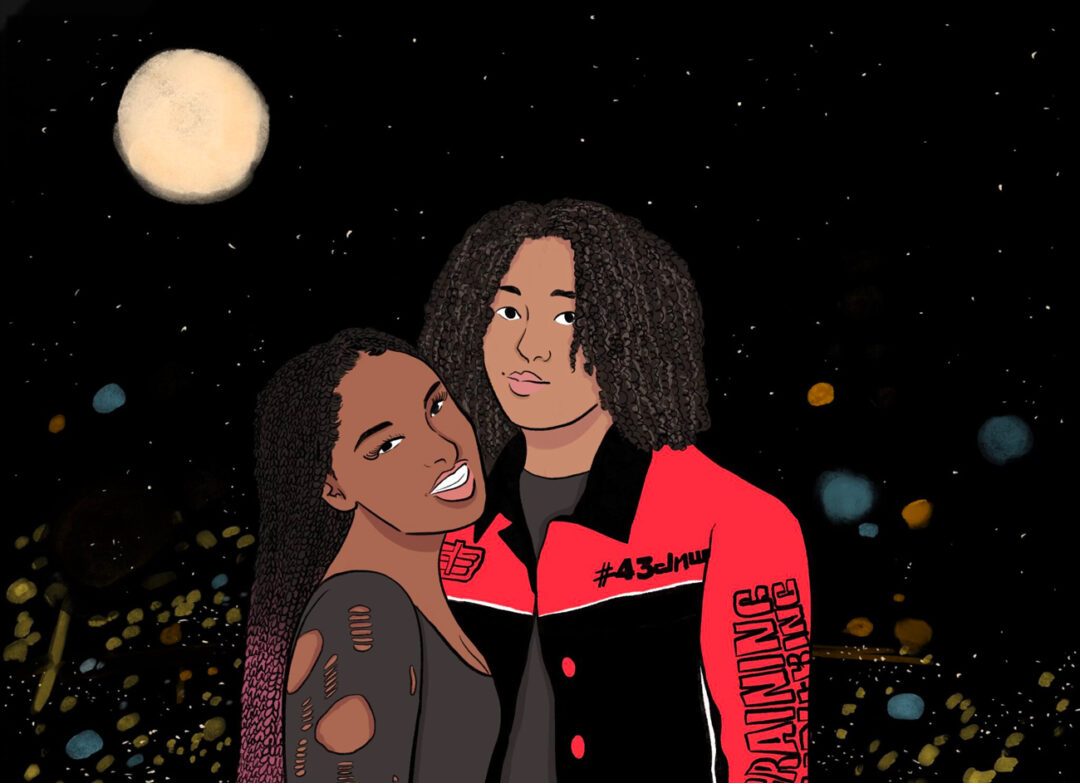
Here’s something to download into your mind: Ctrl+, an inclusive gaming collective, is reshaping the social scene in the DMV—specifically in Silver Spring and Washington, D.C. More than just a gathering of gamers, Ctrl+ fuses video games, nightlife, and community, all filtered through a queer, Black lens. The collective hosts everything from competitive tournaments and casual game nights to themed parties, vendor markets, and collaborations with local queer artists and businesses. Founded by Shannon Miller (she/her) and Sierra Stansberry (she/her), Ctrl+ grew from their shared love of gaming and a mutual frustration with the lack of spaces that felt like home. “We were tired of waiting for a space that spoke to us,” they said in an email interview. “The DMV has tons of gaming events, but none made specifically for queer Black people.” After noticing a lag in said spaces, Ctrl+ was born. 

The Origins of Ctrl+

“We wanted a space where queer Black people could show up fully, have fun, and take up space unapologetically,” Miller and Stansberry said. The concept behind Ctrl+ sparked from their own experiences. Miller and Stansberry felt the absence of welcoming spaces that feel like home for queer Black gamers. In 2024, they officially launched Ctrl+ with their debut event, Tourney Up. Attendees showed up, showed out, and made it clear that this kind of space was not only wanted, but urgently needed. Encouraged by the turnout, the collective returned this year with Tourney Up: Black Pride Edition, held right before the start of Pride Month. The sold out event was a clear sign that the DMV area is hungry for gaming spaces rooted in joy, identity, and community.

What to Expect at a Ctrl+ Event

A typical Ctrl+ event includes various games, music, dancing, and all the socialization you need to satisfy your inner social butterfly. Tickets are typically priced between $10 and $25, with limited free tickets available for laid-off workers and federal employees. “We’re committed to making our events accessible while still supporting sustainability,” the two founders shared.. During an event, there are multiple things happening at once. According to its founders, it wouldn’t be a surprise to walk into a Super Smash Bros. or Mario Kart tournament in one part of the venue, a DJ mixing tracks and people dancing in another, and a group playing party games or just enjoying the atmosphere in another area. Whether you’re in it to win or just want to relax and socialize, Ctrl+ offers a space that welcomes all levels of play. Miller and Stansberry’s perspectives help them have an idea of what makes an event exciting, accessible, and community-driven. “We know what it’s like to be left out, and we’re making sure no one else feels that,” they explained.

Overcoming Challenges

As with many grassroots projects led by marginalized voices, the road hasn’t been easy. According to Miller and Stansberry, funding events for the gaming collective has been a challenge. The two have also voiced that they’ve had to educate people about why Ctrl+ and its mission matters. “[We’ve had to] fight the assumption that gaming spaces can’t be cultural or political. But we’ve been resourceful and resilient,” they shared. Miller and Stansberry are motivated to control-alt-delete the absence of inclusive gaming spaces and create more opportunities where queer Black gamers can feel “seen, celebrated, and centered” with Ctrl+. “Our mission is to reclaim joy, build community, and create a vibe that feels like home,” they said. 

Looking Ahead

Currently, Ctrl+ events are held monthly or every other month, depending on scale. Their next event—on June 14—will celebrate World Pride. Long-term, Miller and Stansberry hope to expand Ctrl+ beyond the DMV. New York is already on their radar. In five years, they envision a dedicated gaming lounge that’s open weekly, featuring memberships, regular events, and community-driven programming. “[We see it as] a place where joy is resistance and gaming is the gateway to connection,” they said. You can follow Ctrl+ on TikTok and Instagram.

Shayn Green: Making Art You’ll Want to Stick Your Nose In

By Rasheeda Campbell

This article was originally published in Tagg Magazine here.

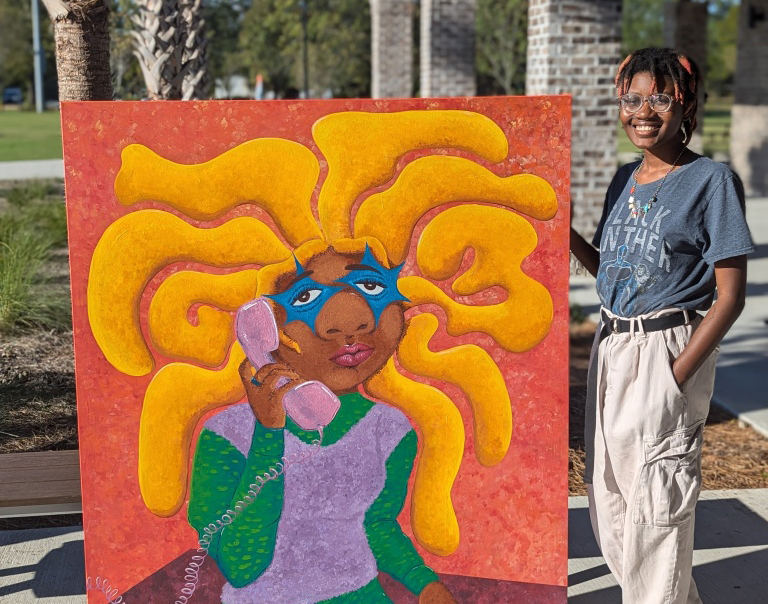
Hardworking, creative, and passionate are three words artist Shayn Green (she/her or they/them) uses to describe herself — and rightfully so. As the creator of Big Nose Baddies, Green has built a vibrant, unapologetic art collection that celebrates Black features and redefines traditional beauty standards. Through her bold use of bright colors, diverse textures, organic elements like plants and flowers, and—of course—beautifully rendered big noses, Green’s work glorifies ethnic features often underrepresented in mainstream art. 

Back to the Beginning

It all started in 2021 with Green’s first piece titled, Afropunk. Inspired by a photo of herself taken at the Afropunk Festival in Atlanta, Georgia, she found herself moved by the celebration of Black identity that surrounded her through the festival’s music and culture, and the sheer presence of people who looked like her. “I wanted to create artwork that would resonate with the Black people in my community with similar features and experiences,” she said.

The Inspiration Behind the Work

To Green, Black people and the connection within the Black community has influenced her art the most. Much of her inspiration also comes from her own family, where large noses are a proud and recurring trait. “Facial features like this that are passed down not only connect us to each other but to our origins, and in some cases can be one of the most ancestral connections we can make,” she said.

Representation in Art

“Representation in the art world has become more accessible than in the past and it’s easier to connect with artists of diverse backgrounds … [but] in the future I’d like to see even more representation and diversity in large galleries, art shows and residency programs for BIPOC and LGBTQ+ creatives,” said Green. Growing up around Black art, music, and entertainment at home helped her find inspiration early. But outside of home is where she quickly noticed the lack of wider representation. “A large portion of the representation we did receive was mostly centered around Black hardship [and] although there should be space held for those stories, it is only a fraction of what we are,” she noted. As a Black and queer woman, Green puts her identity into her art hoping to reach the person who was teased for their natural hair or was told their nose and lips were too big. Her bright and bold pieces are her way to show the world that Black features are beautiful and deserve to be seen.

Overcoming Challenges and Looking Ahead

Despite facing challenges like limited time, financial strain, and burnout, Green has learned to give herself grace and let her creative process unfold naturally. Recently, she completed a Big Nose Baddies Spring Collection featuring flowers, fruits, and clouds. Her upcoming Summer Collection will celebrate LGBTQ+ pride and the fun elements of summer she loved as a child. Her advice to emerging artists is to try different mediums, explore what speaks to you, and “…don’t compare yourself … or feel discouraged when starting out because everyone’s journey is different and you will find your rhythm in time.”